The first Light Emitting Diode or LED was developed in 1962 by Nick Holonyak when he was working at General Electric. Little did he know that this invention will revolutionize the entire lighting sector. Over the years, the use of LEDs shifted from traffic signals, exit signs and watches to daily residential and commercial living with modifications in its output levels. LEDs offer greater efficacy over fluorescent tubes, and incandescent, making it a more popular choice for widespread use. LED fixtures are also directional, allowing for more efficient optics, better consistency and enhanced colour temperature or CCT.
Let us quickly look at the Types of LED Lights available in the market today:
- LED bulbs are the most common type of LED lights used in home and offices. They come in various colour temperature, watt and brightness.
- LED tube lights are designed to replace traditional fluorescent tubes and are heavily used in kitchens, offices, bedrooms and industrial spaces as well. They use less energy, last longer and flicker less, making it a good choice for all purposes.
- LED down lights or recessed lights are installed in the ceiling as help provide more focused and downward lighting. They are commonly used in lobbies, hotels, office spaces and modern homes.
- LED panel light surface is mounted directly in the ceiling surface, while LED panel lights embed seamlessly into the ceiling. LED ultra slim panel lights are thinner variant of panel light and offer even light distribution.
- LED cabinet lights are small, compact lights used in cabinets, shelves or cupboards. They are ideal for task lighting and illuminating specific nooks and crannies.
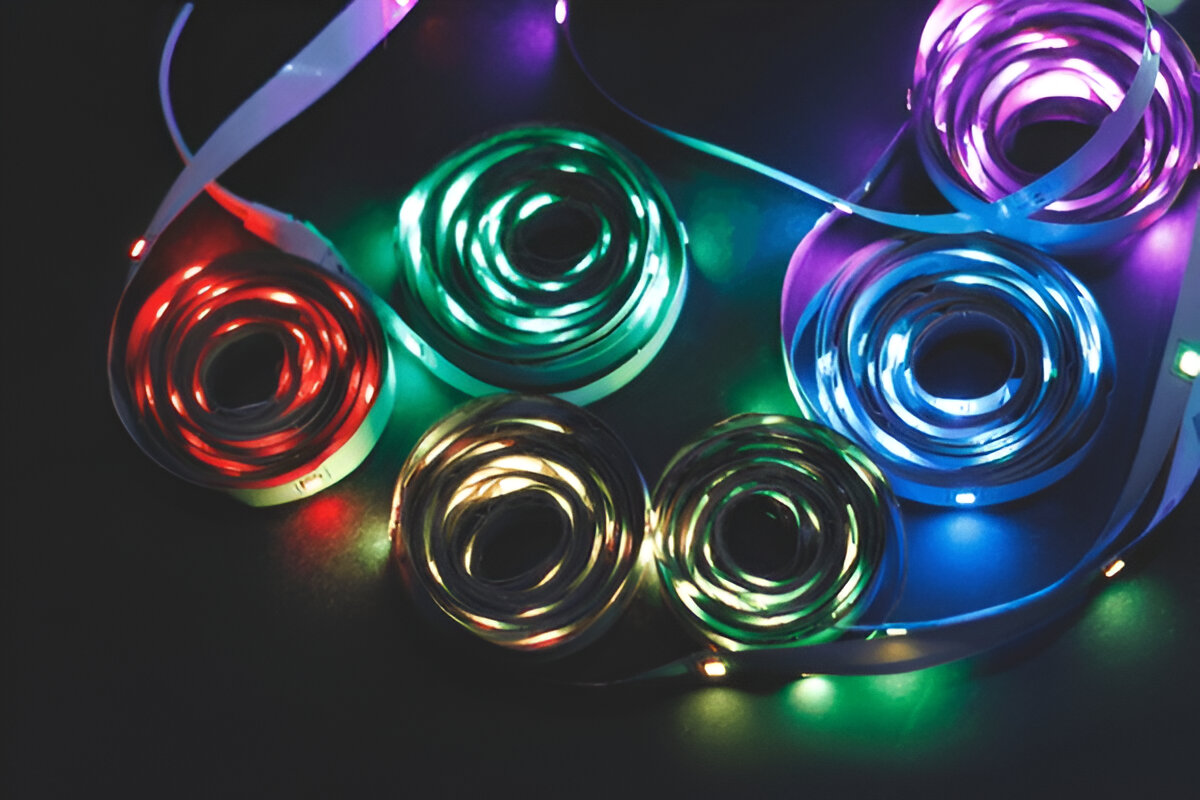
- LED strip lights are flexible lights with adhesive backing and help in providing beautiful aesthetics.
- LED pendant lights hang from the ceiling by a cord or rod and are used as decorative element in homes as well as commercial places. They are heavily used in restaurants, kitchens and boardrooms in offices.
- LED magnetic track lights and smart magnetic track lights allow for smart features and easy repositioning for customisable lighting.
- LED mirror lights are often found behind or above mirrors to provide unform light distribution.
- LED spot light produce narrow beam of light and are used to highlight certain parts of interior, specific areas, arts or any feature. They are most common in art galleries, shops or accent walls.
- LED track lights are mounted on a track and can be adjusted for different focused areas. The are more common in retail shops and showrooms.
- LED dimmable and tunable lights allow you to adjust brightness and colour temperature to set the mood and ambience according to you need.
- LED ceiling lights come in various shapes and sizes and are versatile in its uses in the living room, bedroom, kitchen and bathroom.
LED Light Price Guide
If you are looking for LED light price, then you have come to the right place! The prices of LED lights vary based on their use, built, quality, brightness and other features.
While basic LED bulbscan cost anywhere between Rs. 500-1000, LED strip lights can also cost almost the same, depending on the length of the strip. Specialised ceiling lights usually start from Rs. 900 and with LED panel lights being more affordable. If you are looking to add extra oomph factor to your space, you can always choose LED pendant lights that instantly elevate the look of your room or office. These lights, however, are a little expensive and can start from anywhere in the Rs.3000-4000 price range.
Buying Tips for LED Lights
Shopping for LED lights can be tough due to the sheer number of products from different brands, with not much guarantee. Hence, here are a few quick tips to keep in mind when shopping for LED lights.
- Determine where and why you need the lights.
- Compare the lumens per watt to understand how efficient the light really is and what are the different options.
- Check manufacturer’s warranty and expected lifespan.
- When buying LED strip lights, consider the number of LEDs per foot and light quality.
- For LED ceiling lights, look at lumen output, beam angle and dimming/control options.
- Choose reputable brands that manufacture or sell high quality light fixtures.
- Look for certifications like Energy Star, which indicate energy efficiency.
LED lights: Environmental benefits
LED lights are known to be good for the environment as they generate zero toxic elements, require minimal fixtures, consume less energy and are highly durable.
LED luminaries, unlike fluorescent strip lights does not use any toxic chemicals like mercury. As such, the disposal and management of LED lights after use is comparatively easier and avoids the cost and time implication needed for other lights.
LED lights are also 75-80 % more energy efficient compared to traditional lighting as they produce less heat due to optimal energy conversion to light. LED lights also consume less power, reducing the demand on our grids, leading to decreased greenhouse gas emissions.
As LED lights are more durable, long-lasting and low maintenance they have lower carbon footprint. These lights also require fewer resources for manufacturing, transportation and packaging- making it the best choice for the environment and our wallet.
Frequently asked questions (FAQs) on LED lights
Light Emitting Diode or LED lights are highly energy-efficient lights. They are cost-effectives and can be easily used in commercial as well as residential places.
LED bulbs, strip light or tube lights produce light when current passed through a semi-conducting material or the diode. They work by electroluminescence, where the semiconductor material directly converts electrical energy into light. The colour of the lights will depend on the energy needed for the electrons.
LED strip lights can be used the same way as you would use any other light. They are mainly used for decoration or illuminating dimly lit places. Adding them below the kitchen cabinet, study cabinet or using it along with task lighting helps achieve great functionality and aesthetics.
It will depend on what kind of LED strip lights you have purchased. Most LED tape lights are designed with specific cutting points or connecting strips that allow you to cut and customise your light strips the way you want.
LED lights are extremely cost-effective and energy-efficient due to their durability and manufacturing. They have a long lifespan, much more than traditional lights.
If you use quality tested LED lights, they are safe for use. Given there is no over exposure. The Light Kart is known for its high quality and durable LED lights that last a lifetime!
Yes LED lights save money in more than one way. First, they use less energy compared to CFL or incandescent lights. Second, they are long lasting and durable, hence, the replacement cost is less. Furthermore, the manufacturing and transport of LED lights i also cheaper, reducing the carbon footprint. Hence, LED lights are not only saving your money, but also the health of the planet.
If you are looking for the best LED tube lights for your home, then choose any of the Superscape lights manufactured by The Light Kart. These LED tube light delivery superior lumen in low wattage, making it suitable for your home and office.