
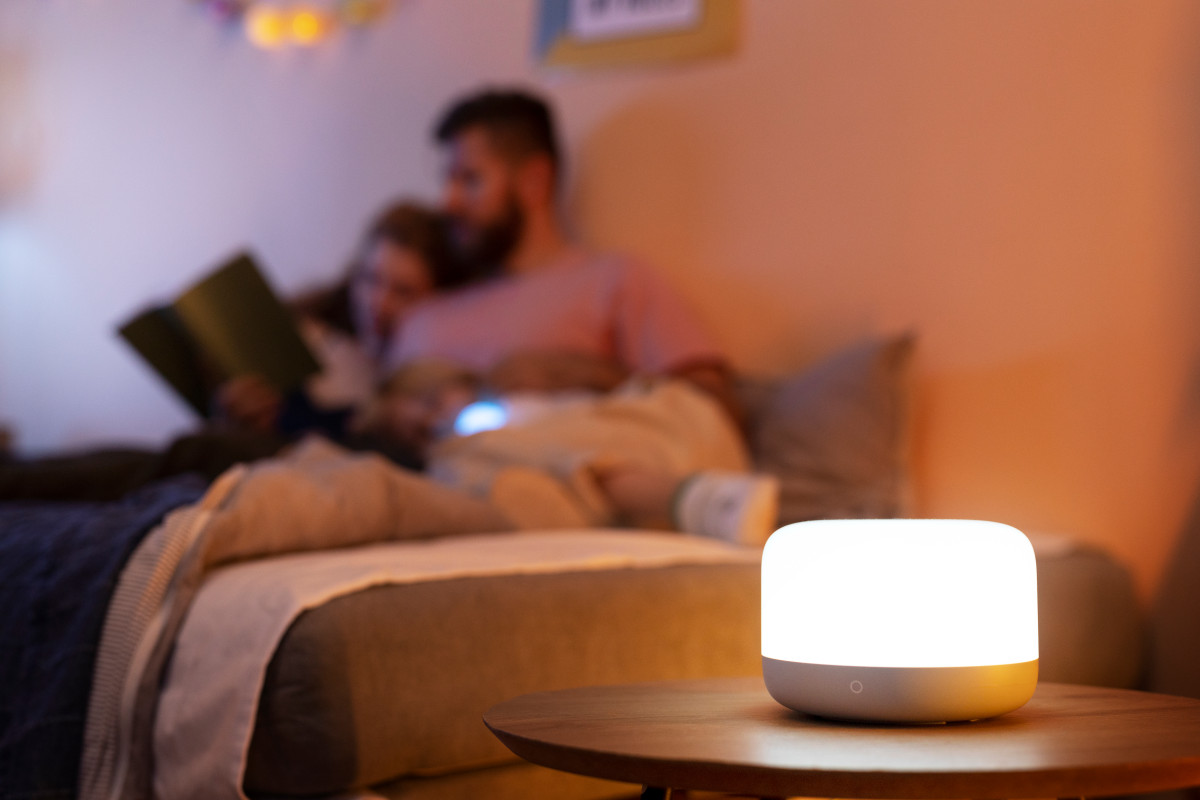
Technology is transforming the way we live, work, and interact with the environment. From smartphones to smart TVs, there is no object in our daily living which is not touched by technology. These appliances are increasingly becoming intelligent, connected, and changing the way we live. Among these, smart lighting has emerged as one of the most important and impactful innovations. Smart and intelligent lighting is conquering the world as it allows our homes, offices and public spaces to be illuminated in an energy-efficient and eco-friendly way. The constant development of new products and innovative solutions in smart lighting is making our life increasingly comfortable.
With the integration of IoT lighting systems and energy-efficient lighting, smart lighting solutions are redefining the modern way of living. Whether it’s LED smart bulbs, voice-controlled lighting, or the use of AI-powered lighting, the possibilities are endless.
In this blog, we’ll explore how smart lighting is changing the way we live and will soon be the future for intelligent living in every house and city.
What is Smart Lighting?
Smart Lighting is a system of advanced lighting technology wherein light system can be controlled remotely by using IoT enabled devices. Smart Lighting is different from traditional lighting which solely relies on manual switch. It provides more flexibility, automation, and personalization.
The lights in smart lighting can be easily integrated into a software and connects to an app or your smartphone or any other smart device in your home, allowing you to automate your lights. This eliminates the need to flip a switch or even get up from one place to switch off the lights.
Smart Lighting features today have advanced to include colour changing lights, scheduled on and off, auto dimming, essential lighting, motion sensors, etc. These lights are not just the future of tomorrow but also a promise for sustainability as it is efficient and cost effective in the long run.
How Does Smart Lighting Work?
Like every other automated system, smart lighting also works using wireless technology that allows you to control the lights remotely. The smart lights are connected to a central controller, which can either be a hub or a software. Once this hub or software gives instructions to the light, the smart light reacts according to that command. The hub acts as a gateway between the smart light and your smartphone.
Some of the key features needed for smart lighting is internet via Wi-Fi, Bluetooth, or even protocols like Zigbee and Z-Wave. Once these connections are established, you can easily control your light through mobile apps, smart speakers, or even AI assistants.
Features of Smart Lighting
The most common features of smart lighting include:
- Remote control : Smart lights are typically remote controlled, which means that you can control the lights from the comforts of your couch, your bed, or anywhere that you are. The remote is usually battery-powered and has to be within a certain range to ensure that the lights work correctly. It has multiple features such as turning the lights on and off, adjusting the dimmer, setting the intensity, changing colors, etc. Some smart lights might also work with a universal remote that can be used for multiple rooms.
- Smartphone app : As using a remote could be complicated and inconvenient because of the range issues, people have now shifted to controlling the lights through their phones. For this, you just need to download an app on your phone and link it to the light. The functionalities remain more or less the same except that it can also provide additional features such as the ability to set a specific timer for switching the lights on and off, scheduling wake-up time, sleep time, etc.
- Customised lighting: Smart lighting also allows you to control the different lighting effects as you can change the colour of the LED bulbs based on your mood for different occasions.
- Energy Tracking: Advanced smart lighting allows you to monitor the power consumption in a similar way that we monitor data usage on our smartphone app. This way we can track energy consumption and identify ways to optimize energy costs as well.
- Motion sensors : A lot of smart lighting solutions come with motion sensors that can easily detect movement and switch on and switch off based on that. They also adjust the lighting depending on time of the day and the occupancy. These motion sensor smart lights make for great foot lights or outdoor lights.
- Timer : One of the key features of smart lighting is the fact that they can easily be turned on and off by setting a timer. This feature not only helps minimize power wastage but also alerts you in the morning if you are a deep sleeper or helps you go to sleep with a certain intensity of light.
- Integration with other smart devices : Smart lights are a part of bigger IoT network which means that they can always be integrated with smart TV, smart locks, voice assistants, etc.
Most Popular Smart Light Solution
Some of the most used smart lighting solutions include:
- App-controlled lighting wherein the person has to download an app and connect it to the smart bulb or light. Once connected, the user can easily turn the lights on and off, dim, change colours, set time modes, and use a multiple number of features from anywhere in the world.
- Voice-controlled lighting is another convenient way of enabling your lights. It includes simply instructing a smart device or an IoT-enabled device such as a smart speaker like Alexa or Google to turn on the lights, switch it off, or even dim them.
- Motion-sensor lights are another way to do it that automatically illuminates spaces when movement is detected, enhancing both energy savings and also security.
Benefits of Smart Lighting
By now you must have understood that the benefits of smart lighting are far more than traditional lighting. But just to break it down, here are some of the absolute top reasons why smart lighting is the way to go.
- Most smart lighting systems use LED technology which consumes less energy than CFL bulbs. Additionally, features such as sensor lights and timers also help reduce energy consumption of these lights.
- While the initial cost of buying a smart light or investing in smart lighting solutions might be a bit high. It pays in the long term because it lasts for longer, you don’t have to change, it needs low maintenance, and the energy cost in itself compensates for the high investments.
- Smart lighting is also extremely convenient which means that you can control the lights from your device or your voice without getting up. You can also change the light settings without having to remove the light from the sockets.
- Smart lighting offers easy maintenance as they are made from durable material, and most manufacturers offer lifetime guarantee on these products.
- Smart lighting features are also an integral part of your home security as they can help in lighting areas of your home which remain dark. Motion sensors can also help enhance security by deterring criminals.
- Overall, the environmental impact of using smart lights is much less. As smart lighting systems are more energy efficient, they reduce the amount of resources needed and the impact on the environment is also minimal.
Key Takeaway
Today smart lighting solutions have become a prominent feature in almost every residential and commercial space. There’s no doubt that it makes your life extremely easy and is very easy to install in any room. As they can be controlled using smartphone or voice, they offer ease of accessibility and comfort. Top features of smart lighting include smart control, colour temperature control, and Wi-Fi enabled. Smart lighting options are ample in the market today and are increasingly becoming smarter by the day as technology keeps evolving. They are an integral part of home automation and will change how people use lights.
FAQs on Smart Lighting
- Is smart lighting expensive?
While smart light might be slightly more expensive than traditional lights when you first purchase it in the long run, they help reduce power consumption making them a cost-effective option
- What are smart LED lights?
Smart LED lights are lights that are Wi-Fi enabled and that can be easily controlled by voice software or a remote
- How long can my smart lights last?
As smart lights are much more energy efficient, they last much longer than traditional lights. While there can be no number, a smart bulb can last up to 25,000 hours.
- Where should I install my smart lights?
Smart lights can be installed in any room, kitchen, outdoor, indoor, space, offices, wherever you want as they are versatile and work in all settings.
- Are smart light systems secure?
As long as these lights are on a secure Wi-Fi network and you take all the precautions you can easily minimize security risks against smart lighting
- Can I control my smart lighting when I’m away from home?
Yes, you can absolutely control smart lighting when you’re away from home especially if it is integrated to an app on your phone as they are Wi-Fi enabled but yes the Wi-Fi needs to be on in your home to ensure that these commands are properly delivered to the light.
- Can I also control multiple smart lights?
Yes, most smart lights allow you to create groups that can control multiple lights together and these can be turned on and off together along with some other settings as well.
Ready to live intelligently and buy a smart light?
Explore your options here!